
Best Foods for Healthy Gut Bacteria
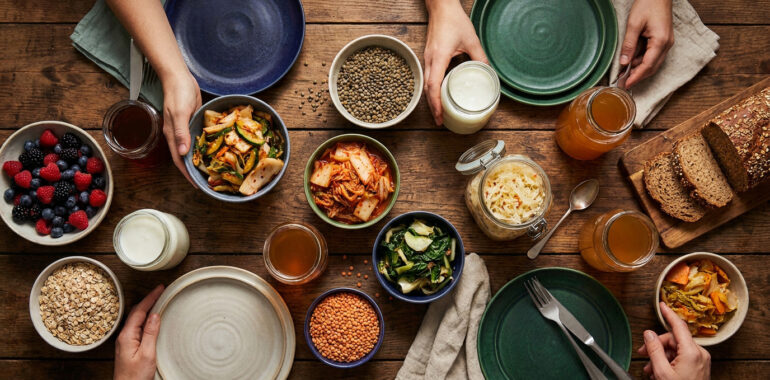
Best Foods for Healthy Gut Bacteria
Have you ever noticed that your stomach feels better on some days than others? Sometimes you may feel light and comfortable after eating, while on other days you experience bloating, gas, or an upset stomach. Your daily food choices can play a big role in how your digestive system feels.
Inside your gut, there are millions of tiny microorganisms, including bacteria. Some of these bacteria are helpful and support digestion, nutrient absorption, and overall gut health. Keeping these bacteria balanced is important, and one of the easiest ways to support them is by eating the right foods.
The good news is that you do not need an expensive diet or special products to take care of your gut. Many everyday foods can help support healthy gut bacteria. Let’s look at some of the best options you can add to your meals.
1. Yogurt
Yogurt is one of the most familiar foods for supporting gut health. It contains beneficial bacteria called probiotics, which can help maintain a healthy balance of microorganisms in the digestive system.
Plain yogurt with live and active cultures is a good choice. You can enjoy it with breakfast, add fresh fruit, or have a small bowl alongside lunch. Just try to avoid varieties with too much added sugar.
2. Bananas
Bananas are not only convenient and affordable but also contain fiber that helps support gut bacteria. Slightly green bananas contain resistant starch, which can pass through the small intestine and become food for beneficial bacteria in the colon.
A banana makes an easy breakfast addition or afternoon snack. You can also slice it into oatmeal for a simple, filling meal.
3. Garlic
Garlic does more than add flavor to your food. It contains natural compounds and prebiotic fibers that can help nourish beneficial gut bacteria.
You can add fresh garlic to soups, vegetables, lentils, and homemade sauces. If raw garlic feels too strong for your stomach, cooked garlic may be easier to tolerate.
4. Oats
Starting your day with oats is a simple way to increase your fiber intake. Oats contain beta-glucan, a type of soluble fiber that supports digestion and can be used by gut microorganisms.
A bowl of oatmeal with banana, nuts, or seeds makes a nutritious breakfast. You can also use oats in homemade snacks and smoothies.
5. Apples
An apple a day may be a useful addition to a gut-friendly diet. Apples contain pectin, a type of soluble fiber that gut bacteria can ferment.
For extra fiber, wash the apple and eat it with its skin. You can have it as a snack between meals or add chopped apple to your breakfast.
6. Lentils and Beans
Lentils, chickpeas, kidney beans, and other legumes are excellent sources of dietary fiber. This fiber helps feed beneficial bacteria and supports regular bowel movements.
These foods are also affordable and easy to include in everyday meals. You can prepare lentil curry, chickpea salad, or bean soup. If you are not used to eating much fiber, start with smaller portions to reduce gas and bloating.
7. Onions
Onions contain prebiotic fibers, including inulin, that help nourish certain beneficial bacteria in the gut.
They are easy to include in daily cooking. Add onions to salads, vegetable dishes, soups, or homemade curries. Both raw and cooked onions can contribute to your overall fiber intake.
8. Fermented Foods
Fermented foods can introduce live microorganisms into your diet, depending on how they are prepared. Examples include kefir, traditional fermented vegetables, and some types of sauerkraut.
Choose products that contain live cultures when possible. Remember that not every fermented food contains live bacteria, especially if it has been pasteurized after fermentation.
9. Leafy Green Vegetables
Spinach, broccoli, kale, and other leafy or green vegetables provide fiber and important nutrients. Their fiber helps support a healthy digestive environment and provides material that gut bacteria can use.
You do not need to eat large amounts at once. Add some spinach to your omelet, enjoy cooked vegetables with lunch, or include broccoli in your evening meal.
10. Nuts and Seeds
Almonds, walnuts, chia seeds, and flaxseeds offer fiber and healthy fats. These nutrients can support a balanced diet and contribute to better digestive health.
A small handful of nuts makes a convenient snack. You can also sprinkle chia or ground flaxseeds over yogurt, oatmeal, or fruit.
Simple Habits That Support Healthy Gut Bacteria
Eating gut-friendly foods is a great start, but your everyday habits matter too. Try to include different sources of fiber in your meals rather than relying on just one food.
Drink enough water throughout the day, eat fruits and vegetables regularly, and increase fiber gradually. Regular physical activity and getting enough sleep can also support digestive health.
If certain foods cause discomfort, pay attention to your body’s response. For example, beans, onions, and some dairy products may cause gas or bloating in sensitive people. You can adjust portions or choose alternatives that suit you better.
Frequently Asked Questions
1. What is the best food for healthy gut bacteria?
There is no single best food. Yogurt with live cultures, oats, bananas, lentils, beans, and vegetables can all support a healthy gut microbiome.
2. Are bananas good for gut health?
Yes. Bananas provide dietary fiber and, particularly when slightly green, resistant starch that can help nourish beneficial gut bacteria.
3. How can I improve my gut bacteria naturally?
Eat a variety of fiber-rich plant foods, include fermented foods if you tolerate them, drink enough water, and maintain healthy daily habits.
4. Is yogurt good for gut bacteria?
Yogurt containing live and active cultures can provide beneficial bacteria. Choose plain varieties with little or no added sugar.
5. How long does it take to improve gut health?
It varies from person to person. Dietary changes can affect gut bacteria relatively quickly, but noticeable digestive improvements may take longer and depend on individual health and eating habits.
Conclusion
Taking care of your gut does not have to be complicated. Small changes, such as eating yogurt, adding oats to breakfast, enjoying fresh fruit, and including lentils and vegetables in your meals, can make a difference over time.
The key is variety and consistency. Instead of depending on one so-called superfood, build a balanced diet that gives your gut bacteria different types of fiber and nutrients. Your digestive system benefits from the everyday choices you make.